
Annual Crane Staging Count
CCCC’s annual fall staging crane count collects data in important staging areas to assess the number of cranes foraging in agricultural fields prior to migration. A staging area is a place where cranes gather together and prepare for migration by foraging. Staging areas are typically agricultural fields that grow grains such as wheat. Some cranes foraging in staging areas are cranes that nest in the Yampa Valley, while others are utilizing local staging areas as stopover sites as they migrate south from nesting areas north of the Yampa Valley. The crane count is valuable because it provides insight into pre-migration behavior and habitat utilization of cranes. While the annual fall crane count can not provide insight into our local crane population, it can inform us what areas support cranes prior to and during migration.
To learn more about how CCCC supports local wheat agriculture for cranes, visit our Crops for Cranes page.
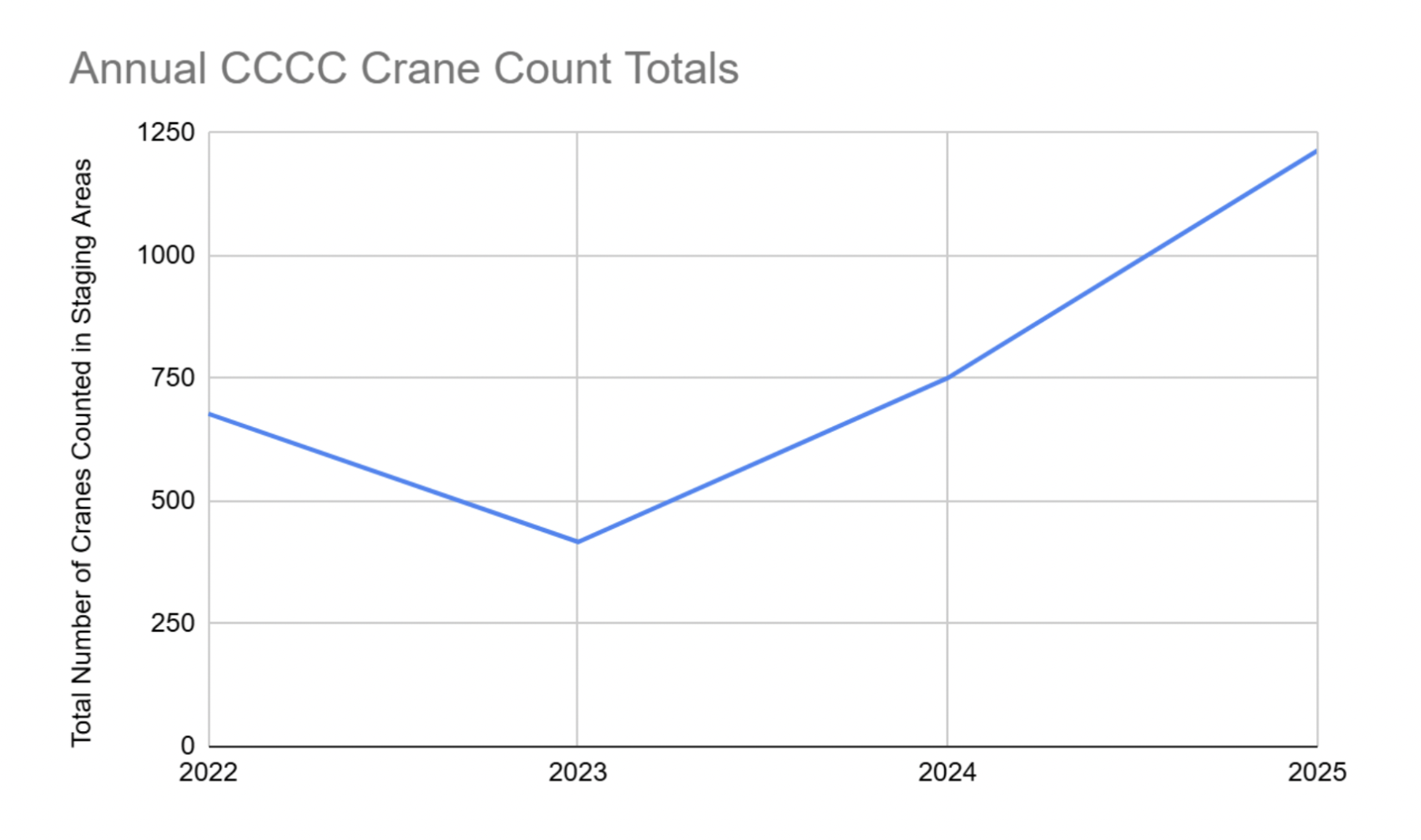
The graph above shows the total number of Greater sandhill cranes counted in all established staging areas in the Yampa Valley from 2022 to 2025 during CCCC’s Annual Fall Staging Count near the end of August each year.

Wet Meadow Restoration
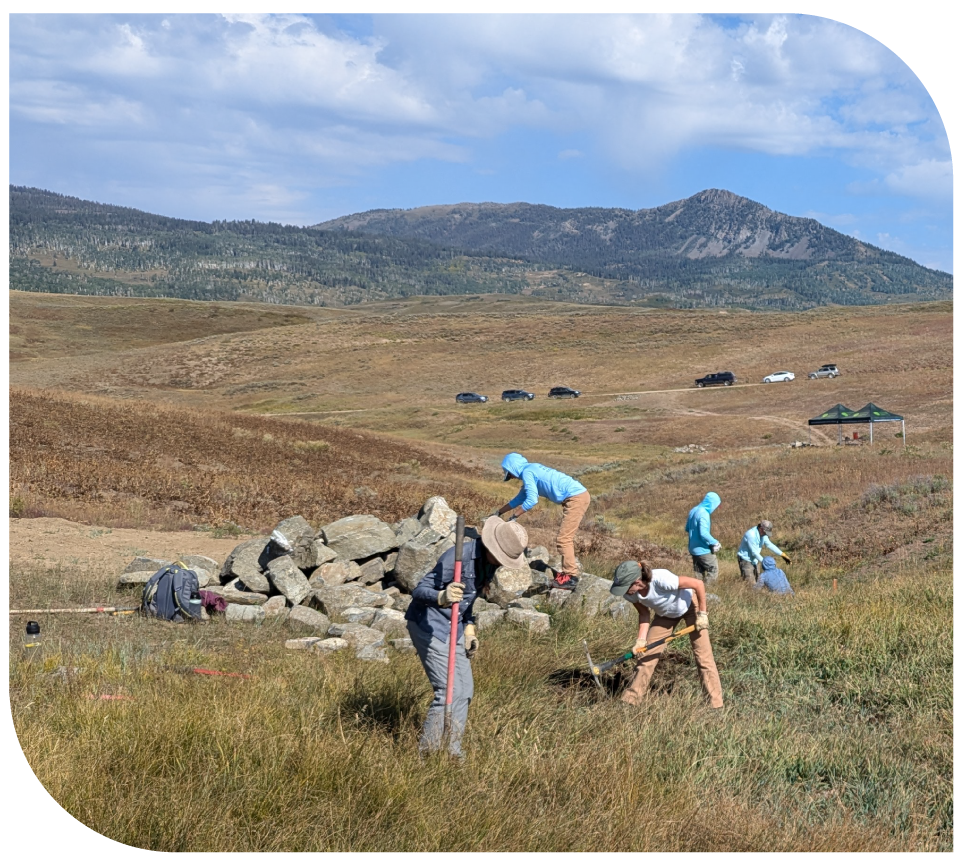
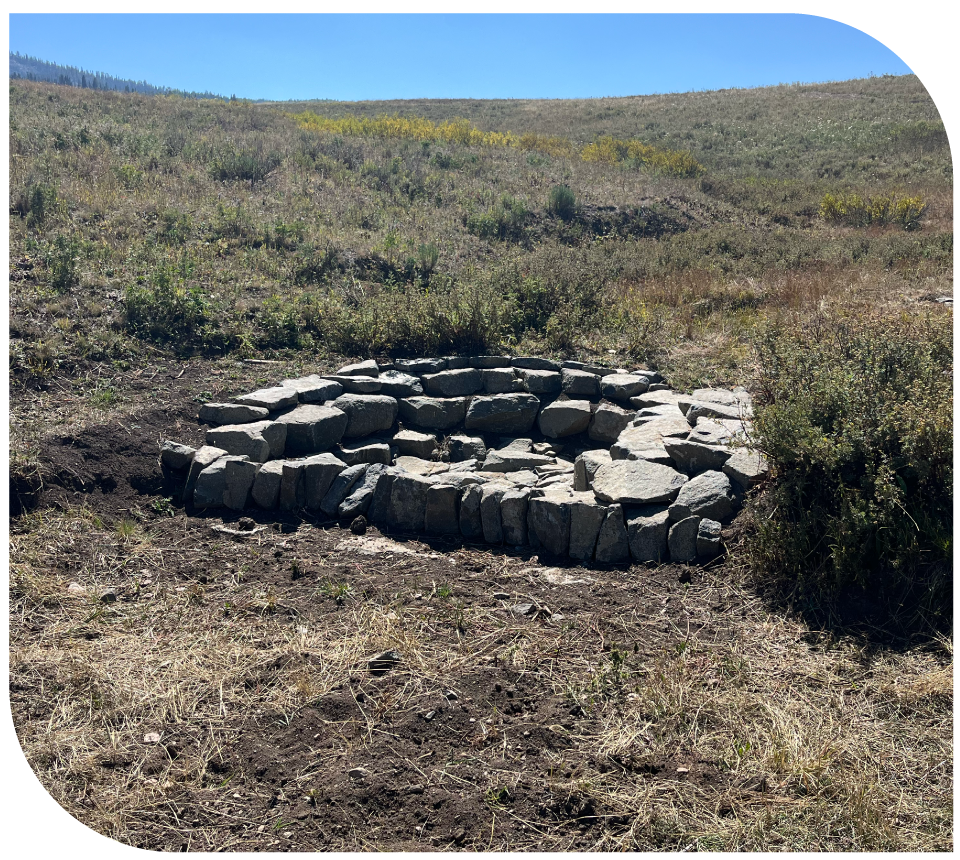
For the last three years, CCCC has aided the U.S. Forest Service and Western Resilience Center on a wet meadow restoration project in California Park. California Park is part of the Routt National Forest and historically was used as rangeland for cattle and sheep. This area is very diverse in both its variety in habitat and species. It is an important breeding and rearing habitat for Greater sandhill cranes. CCCC assisted in building rock structures called Zeedyks, which help restore the natural functions of impacted or disturbed wet meadow habitats. These structures improve vegetation growth and slow the flow of water which supports crane nesting and chick rearing. CCCC has also aided in the baseline data collection of these structures, which will be used to understand how the structures have changed the landscape over time. Wet meadows retain water on drier landscapes, creating areas rich in plant and animal life. This habitat is important to cranes and other wildlife species and benefits the overall health of the ecosystem.
Building Zeedyk structures is a great way to use natural materials to restore wet meadows. These structures can be put in areas that have headcuts, areas where water has eroded stream banks. Zeedyks reduce bank erosion and sediment load downstream. These structures also slow and spread the flow of water which promotes vegetation growth. Wet meadows serve as important habitat for cranes for nesting and chick rearing.